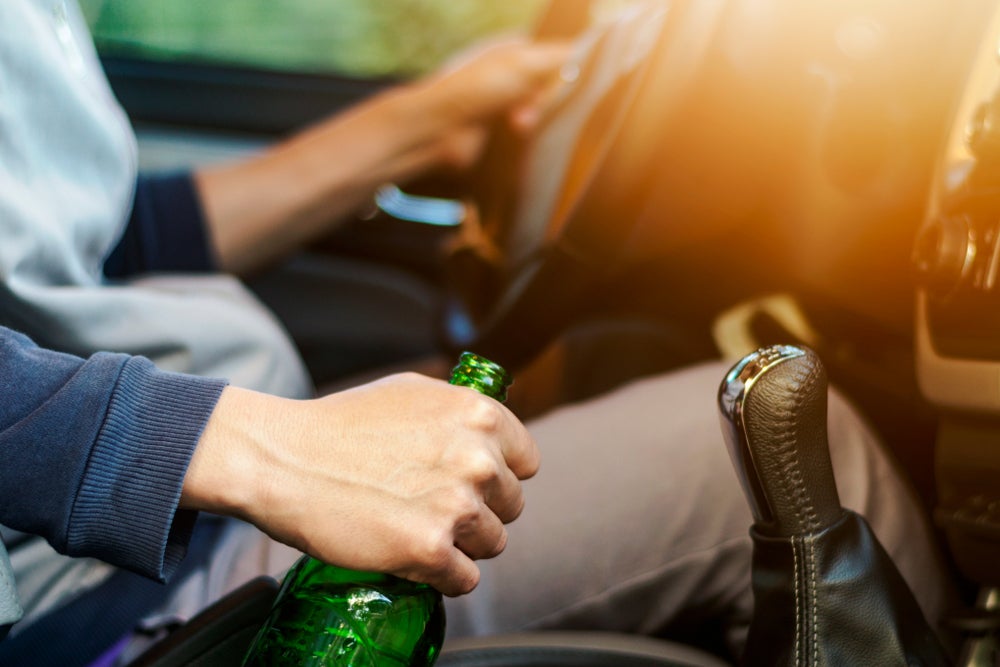
If you’ve been stopped by the police and asked to take a breathalyzer test, you may have immediate questions: Can you refuse the test? How does the device work? What happens if you blow over the legal limit? These questions are especially important if you’re an immigrant or noncitizen, as DUI charges can have both criminal and immigration consequences.
At The Law Office of Yifei He, PLLC, based in Manhattan, New York, we’ve helped countless drivers navigate DUI-related breathalyzer issues. This blog answers the most common questions we hear from clients across Manhattan and all five boroughs.
Can You Refuse a Breathalyzer Test in New York?
Technically, yes. You can refuse a breathalyzer test in New York – but it comes with serious consequences. Under New York’s implied consent law, anyone with a New York driver’s license has already agreed to submit to chemical testing (such as a breathalyzer) if lawfully arrested for a DUI.
Refusing a breathalyzer test may result in:
- Immediate suspension of your driver’s license
- A civil penalty of $500 or more
- Use of your refusal as evidence against you in court
- Loss of driving privileges for at least one year for a first offense
Additionally, refusing the test does not guarantee you will avoid a DUI charge. Officers may use other observations (slurred speech, odor of alcohol, failed field sobriety tests) to justify an arrest.
Learn more about our DUI defense services.
How Do Breathalyzers Work?
Breathalyzers are chemical testing devices used by law enforcement to estimate blood alcohol concentration (BAC) from a breath sample. They operate on the principle that alcohol in your breath is proportional to the alcohol in your blood.
There are two types of breathalyzer tests commonly used:
- Preliminary breath tests (PBTs): Used at the roadside, often handheld
- Evidentiary breath tests: Conducted at the station using more advanced and calibrated devices
While they’re generally reliable, breathalyzers are not infallible. Test results can be skewed by:
- Improper calibration
- Certain medical conditions
- Residual mouth alcohol
- Operator error
If you believe a test was flawed, we may be able to challenge the result in court.
How Do Breathalyzer Tests Affect DUI Charges?
A breathalyzer reading of 0.08% BAC or higher is typically the threshold for being charged with a DUI in New York. However, you can still be arrested and charged with a DWAI (Driving While Ability Impaired) for lower BAC levels if officers believe you were impaired.
Breathalyzer results can:
- Trigger immediate arrest and booking
- Be used as key evidence during prosecution
- Lead to aggravated DUI charges if BAC is 0.18% or higher
- Affect plea deals or sentencing
We assess every detail of the test, from calibration records to procedural errors, as part of our criminal defense strategy.
Can Police Make You Take a Breathalyzer Without Probable Cause?
No. The Fourth Amendment protects you from unreasonable searches and seizures. This means police must have reasonable suspicion to stop your vehicle and probable cause to arrest you before requiring you to take a chemical breath test.
However, officers can request a voluntary preliminary breath test without arrest, especially at sobriety checkpoints. If they lack probable cause and you are not under arrest, you can decline the test without penalty. Once arrested, though, the implied consent rule kicks in.
If you believe you were unlawfully tested or arrested, you may have grounds to suppress the evidence.
Do DUI Charges Affect Immigration Status?
Yes. DUI charges can create serious issues for noncitizens, particularly if drugs are involved or if there are multiple offenses. At our firm, we specialize in crimmigration defense, which means we handle cases at the intersection of immigration and criminal law.
DUI-related consequences for immigrants may include:
- Inadmissibility or denial of green card or naturalization
- Deportation (especially for aggravated DUI or repeat offenses)
- Revocation of visa or DACA protection
- Trouble reentering the country after international travel
Protect yourself by working with a firm that handles both DUI defense and immigration law.
Understanding Aggravated DWI Charges in New York
What is an Aggravated DWI?
In New York, an Aggravated Driving While Intoxicated (Aggravated DWI) charge applies when a driver operates a vehicle with a blood alcohol content (BAC) of 0.18% or higher – more than twice the legal limit of 0.08% . This offense is codified under Vehicle and Traffic Law §1192(2-a) and is considered more severe than a standard DWI.
- 1st Offense
A first-time Aggravated DWI is typically classified as a misdemeanor, carrying penalties such as fines ranging from $1,000 to $2,500, up to one year in jail, a one-year license revocation, and mandatory participation in programs like the Victim Impact Panel. Additional consequences may include probation, court surcharges, and a driver responsibility assessment.
- 2nd Offense
However, if a driver commits a second Aggravated DWI offense within ten years, the charge escalates to a Class E felony– punishable by up to four years in prison, fines up to $5,000, and an 18-month license revocation.
- 3rd Offense
A third offense within the same period is classified as a Class D felony, with penalties that could include up to seven years in prison and fines up to $10,000.
Arrested for DUI in Manhattan or Greater NYC?
If you’re facing DUI charges or breathalyzer-related issues in Broadway, Manhattan, Queens, or anywhere in New York City, don’t navigate the system alone. Attorney Yifei He offers tailored representation for both citizens and noncitizens facing DUI allegations.
Schedule a confidential consultation:
Contact us here or call 917-338-7678.
Related Legal Resources
- DUI Defense Services
- Understanding Assault Laws in NYC
- What to Do If You Are Arrested as a Noncitizen
- Criminal Defense Overview
Protect your record, your license, and your immigration status. The Law Office of Yifei He, PLLC proudly serves Broadway and the five boroughs with integrity and experience in both criminal and immigration law.
Request Consultation
Memberships & Associations