
Asylum seekers in New York continue to face a rapidly changing immigration landscape in 2026. While the basic legal framework for asylum remains in place, federal policy updates, court rulings, processing changes, and enforcement priorities may affect how applications are reviewed and how quickly cases move forward.
Understanding asylum New York 2026 developments can help applicants make informed decisions, avoid costly mistakes, and better protect their ability to remain in the United States. This guide answers common questions about asylum eligibility, application procedures, work authorization, court proceedings, and legal representation in New York.
What Is Asylum?
Asylum is a form of protection available to individuals who cannot safely return to their home country because of persecution or a well-founded fear of persecution.
Persecution must generally be connected to one of five protected grounds:
- Race
- Religion
- Nationality
- Political opinion
- Membership in a particular social group
An approved asylum applicant may remain in the United States, obtain employment authorization, petition for certain family members, and eventually apply for lawful permanent residence.
What Has Changed for Asylum Applicants in 2026?
Several developments may affect asylum cases in 2026.
Changes can result from:
- Federal agency regulations
- Executive branch policy priorities
- Immigration court procedures
- Federal court decisions
- Processing updates issued by USCIS and EOIR
Applicants should expect that filing procedures, interview scheduling, evidence requirements, and enforcement priorities may continue evolving throughout the year.
Because immigration policies can change quickly, relying on outdated information may place an application at risk.
Why Does Asylum New York 2026 Matter Specifically in New York?
New York is one of the largest immigration hubs in the United States.
As a result, asylum seekers often encounter:
- High application volumes
- Significant interview backlogs
- Lengthy immigration court calendars
- Complex procedural requirements
- Increased demand for legal representation
New York applicants may interact with multiple agencies, including:
- USCIS asylum offices
- Immigration courts
- ICE
- Federal immigration authorities
Even small procedural errors can lead to delays that affect an applicant’s future immigration options.
Who Is Eligible to Apply for Asylum in 2026?
Eligibility generally depends on whether the applicant can demonstrate past persecution or a well-founded fear of future persecution.
An applicant may qualify if:
- They experienced serious harm in their home country
- Their government participated in the harm
- Their government failed to protect them
- They fear future persecution for a protected reason
Each case is highly fact-specific.
Supporting evidence may include:
- Personal statements
- Witness declarations
- Country condition reports
- Medical records
- Police reports
- News articles
- Expert testimony
A careful review of individual circumstances is often necessary before determining eligibility.
Does the One-Year Filing Deadline Still Apply?
In most situations, yes.
Individuals generally must file for asylum within one year of arriving in the United States.
Certain exceptions may apply when:
- Conditions in the home country have significantly changed
- Extraordinary circumstances prevented timely filing
- Other legally recognized exceptions exist
Missing the filing deadline can create major obstacles.
Applicants who are unsure whether an exception applies should seek legal advice as early as possible.
How Are Asylum Applications Filed in New York?
The filing process depends on the applicant’s circumstances.
Some individuals file affirmatively through USCIS.
Others apply defensively while facing removal proceedings in immigration court.
The process often involves:
- Completing required government forms
- Preparing supporting evidence
- Drafting a detailed personal declaration
- Attending biometrics appointments
- Participating in interviews or court hearings
Accuracy and consistency are essential throughout the application process.
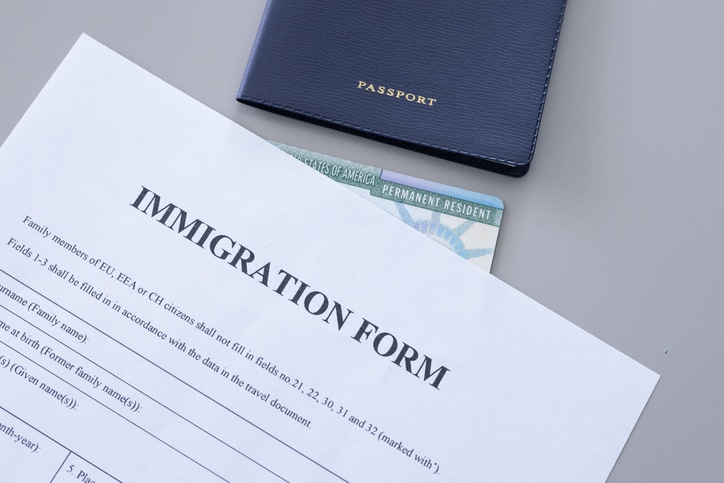
What Evidence Helps Strengthen an Asylum Claim?
Strong evidence helps establish credibility and support the applicant’s account.
Helpful evidence may include:
- Identity documents
- Passport records
- Travel records
- Medical records
- Court records from the home country
- Human rights reports
- Religious or political organization documents
- Expert evaluations
- Affidavits from witnesses
Not every applicant will possess all available documentation.
However, providing as much reliable evidence as possible can improve the overall presentation of a claim.
How Long Does the Asylum Process Take in 2026?
Processing times vary significantly.
Factors affecting timelines include:
- Application volume
- Government staffing levels
- Policy priorities
- Court backlogs
- Case complexity
- Security screening requirements
Some applicants may wait months or even years for interviews.
Others may remain in immigration court proceedings for years before receiving a final decision.
Unfortunately, no attorney can guarantee a specific timeline. However, we at the Law Office of Yifei He, PLLC, can assure you that your case will be presented in the best light possible, given the high stakes and long wait time.
Can Asylum Applicants Obtain Work Authorization?
Many asylum applicants may become eligible for employment authorization after meeting applicable legal requirements.
Work authorization rules can change through regulatory updates and litigation.
Applicants should carefully monitor current requirements before filing employment authorization applications.
Working without authorization can create additional immigration complications in some situations.
How Does Immigration Court Affect Asylum Cases?
Immigration court proceedings can significantly impact asylum applications.
Individuals placed into removal proceedings must usually present their asylum claims before an immigration judge.
The judge may evaluate:
- Credibility
- Supporting evidence
- Country conditions
- Legal eligibility
- Witness testimony
Court hearings often require substantial preparation.
Applicants facing removal proceedings should consider obtaining legal representation as early as possible.
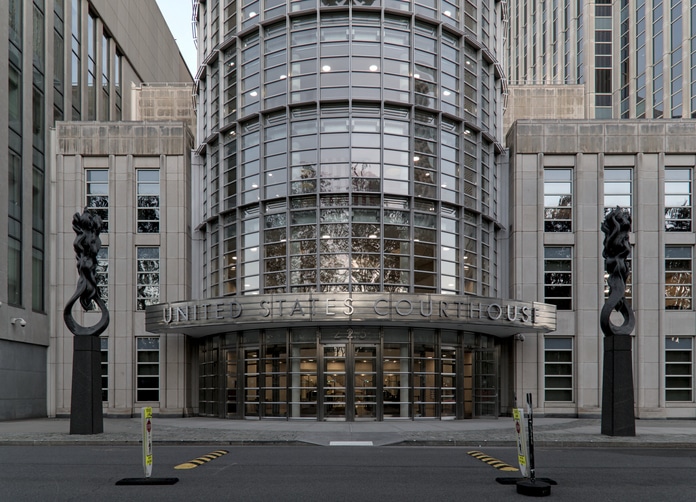
Can Criminal Charges Affect an Asylum Case?
Yes.
Certain criminal allegations or convictions can affect asylum eligibility and other immigration benefits.
Potential consequences may include:
- Denial of asylum
- Detention
- Removal proceedings
- Restrictions on future immigration benefits
The interaction between criminal law and immigration law is often referred to as crimmigration.
Because even seemingly minor charges can have serious immigration consequences, obtaining legal advice quickly is important. The firm’s crimmigration representation helps clients evaluate how criminal allegations may affect immigration status.
Can Asylum Lead to a Green Card?
Yes.
Individuals granted asylum may generally apply for lawful permanent residence after meeting eligibility requirements and statutory waiting periods, which is usually a year after a grant of asylum.
Permanent residence can provide:
- Greater stability
- Expanded travel opportunities
- Additional immigration benefits
- A pathway toward U.S. citizenship
Applicants should ensure continued compliance with immigration requirements after receiving asylum approval.
What Happens if an Asylum Application Is Denied?
The outcome depends on the procedural posture of the case.
Possible scenarios include:
- Referral to immigration court
- Requests for additional review
- Removal proceedings
A denial does not automatically mean that every immigration option has been exhausted.
Alternative forms of relief may sometimes be available depending on individual circumstances. We advise consulting with an Immigration Attorney to discuss all viable forms of relief.
Why Is Legal Representation Important for Asylum Cases?
Asylum law is among the most complex areas of immigration practice.
A lawyer may assist with:
- Evaluating eligibility
- Identifying legal issues
- Preparing evidence
- Drafting declarations
- Preparing witnesses
- Responding to government requests
- Representing applicants in court
Professional guidance can help reduce procedural mistakes that might otherwise jeopardize a case.
When Should You Speak With an Immigration Lawyer?
You should speak with a lawyer as soon as possible if:
- You recently entered the United States
- You fear returning to your home country
- You missed the one-year filing deadline
- You received a notice from the immigration court
- You were arrested or charged with a crime
- Your asylum application was denied
- You have questions about work authorization
Early legal guidance often creates more options than waiting until a deadline approaches.
For personalized advice on immigration law matters, individuals should consult qualified counsel experienced in both immigration and removal defense.
How Can Applicants Prepare for Asylum New York 2026 Changes?
The best approach is preparation and accurate information.
Applicants should:
- Keep copies of all immigration filings
- Update addresses promptly
- Preserve supporting evidence
- Attend all appointments and hearings
- Follow policy updates carefully
- Seek legal advice before making major decisions
Because immigration policies continue to evolve, staying informed can help applicants protect their rights and strengthen their cases.
Conclusion
Understanding asylum New York 2026 developments is important for anyone seeking protection in the United States. While asylum remains available to eligible applicants, policy updates, court procedures, filing requirements, and enforcement priorities can significantly affect individual cases. Careful preparation, strong evidence, and timely legal guidance can help applicants navigate the process more effectively. If you have concerns about an asylum application, immigration court proceedings, or the impact of criminal allegations on your immigration status, speaking with an experienced immigration attorney may help clarify your options and protect your future.
FAQ Section
Can I apply for asylum in New York in 2026?
Yes. Eligible individuals may still apply for asylum if they meet legal requirements and comply with filing deadlines.
How long does an asylum case take in New York?
Processing times vary widely and depend on agency workloads, court schedules, and case-specific factors.
Can I work while my asylum case is pending?
Many applicants may qualify for employment authorization after meeting applicable eligibility requirements.
Does a criminal arrest affect an asylum application?
Potentially. Certain criminal allegations or convictions can create serious immigration consequences and should be reviewed by an attorney.
Can family members be included in my asylum application?
In some situations, qualifying spouses and children may be included or benefit from asylum-related immigration provisions.
What happens if I miss the one-year asylum deadline?
Some applicants may qualify for legal exceptions, but missing the deadline can significantly complicate an asylum case.
Request Consultation
Memberships & Associations