
Fraud conviction immigration consequences can be severe for non-citizens in New York. A fraud offense may affect green card eligibility, visa renewals, naturalization applications, admissibility, and even lead to removal proceedings. Because immigration authorities closely examine crimes involving dishonest conduct, a fraud conviction often creates risks that extend far beyond the criminal case itself.
This article explains how fraud offenses are treated under immigration law, what consequences may apply, and why it is important to obtain legal guidance as early as possible.
What Is a Fraud Offense?
Fraud is a crime involving deception for financial gain or another benefit.
Common examples include:
- Identity theft
- Credit card fraud
- Insurance fraud
- Bank fraud
- Check fraud
- Tax fraud
- Wire fraud
- Healthcare fraud
- False statements on government forms
Immigration authorities often view fraud offenses as particularly serious because they involve intentional dishonesty.
Why Does Fraud Matter So Much Under Immigration Law?
Fraud matters because immigration law places significant weight on honesty and good moral character.
USCIS, immigration judges, and immigration officers frequently examine whether an individual intentionally deceived another person, a business, or the government.
A fraud-related conviction may trigger concerns involving:
- Crimes involving moral turpitude
- Good moral character requirements
- Deportability
- Inadmissibility
- Immigration fraud allegations
As a result, even a seemingly minor fraud offense can create long-term immigration problems.
What Are Crimes Involving Moral Turpitude?
Crimes involving moral turpitude are offenses that involve dishonest, fraudulent, or morally wrongful conduct.
Many fraud offenses fall within this category.
Examples may include:
- Forgery
- Identity theft
- False pretenses
- Credit card fraud
- Certain theft-related offenses involving intent to permanently deprive
Immigration law often treats crimes involving moral turpitude differently from other offenses because they may trigger deportation or inadmissibility consequences.
Can a Fraud Conviction Lead to Deportation?
Yes. Fraud conviction immigration consequences can include removal proceedings in certain situations.
Whether deportation is possible depends on several factors, including:
- Immigration status
- Type of fraud offense
- Sentence imposed
- Number of convictions
- Prior criminal history
A fraud conviction classified as a crime involving moral turpitude may create deportation risks for some non-citizens.
The specific facts of the case are critical because immigration outcomes often depend on details contained in charging documents, plea agreements, and court records.
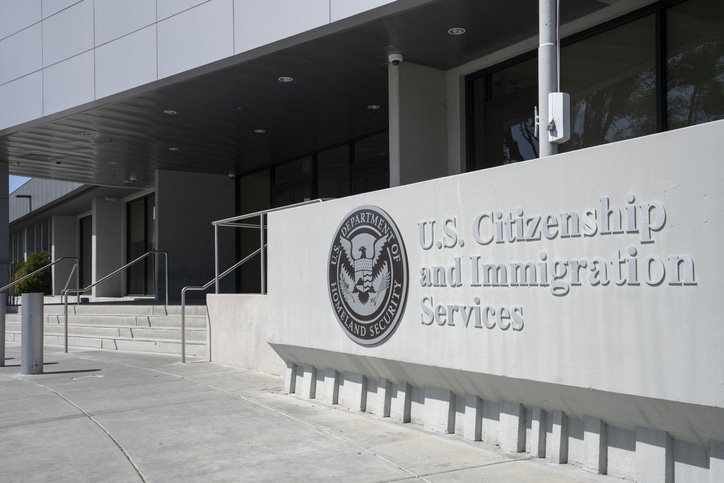
Can a Fraud Conviction Affect a Green Card Holder?
Yes. Green card holders are not immune from immigration consequences.
A fraud conviction may:
- Trigger removal proceedings
- Create problems when returning from international travel
- Affect eligibility for naturalization
- Raise questions about good moral character
Many lawful permanent residents are surprised to learn that a criminal case resolved in state court can later become an immigration issue.
For this reason, anyone facing fraud allegations should understand the potential immigration impact before resolving the criminal case.
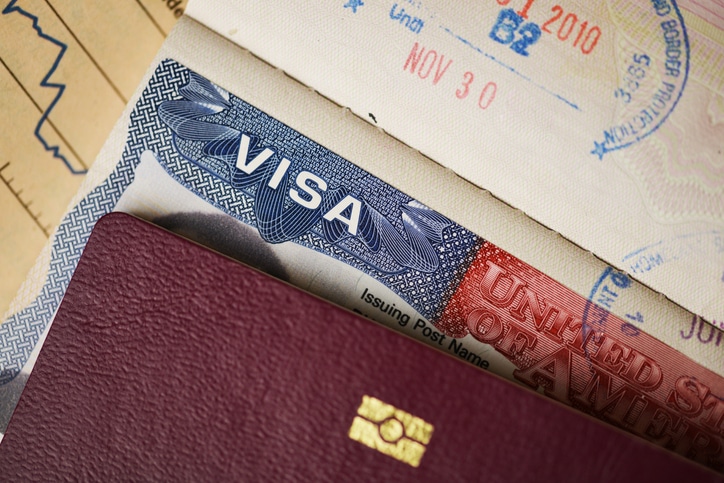
Can Fraud Charges Affect a Visa Holder?
Yes. Even without a conviction, fraud allegations can create immigration concerns.
Visa holders may encounter issues involving:
- Visa renewals
- Changes of status
- Consular processing
- Admission into the United States
- Future immigration petitions
A conviction may increase the likelihood of immigration complications and additional scrutiny by immigration officials.
Can USCIS Deny an Immigration Application Because of Fraud?
Yes. USCIS carefully reviews criminal history when evaluating many immigration benefits.
A fraud conviction may affect applications involving:
- Green cards
- Naturalization
- Adjustment of status
- Visa extensions
- Waivers
- Certain humanitarian programs
USCIS may review both the criminal record and the underlying conduct associated with the offense.
How Can Fraud Affect a Citizenship Application?
Naturalization applicants must generally demonstrate good moral character during the statutory review period.
Fraud offenses can raise concerns regarding:
- Honesty
- Moral character
- Compliance with U.S. laws
Depending on the circumstances, a conviction may delay eligibility, result in denial, or trigger additional review.
Individuals considering naturalization after a criminal conviction should seek legal guidance before filing an application.
Can Fraud Make Someone Inadmissible?
Yes. One of the most significant immigration consequences of a fraud conviction involves inadmissibility.
Inadmissibility can affect:
- Entry into the United States
- Green card applications
- Visa applications
- Consular processing abroad
An inadmissibility finding may prevent someone from obtaining immigration benefits unless a waiver or other legal remedy is available.
The availability of relief depends on the facts of the case and the individual’s immigration history.
What Criminal Penalties Can Apply to Fraud Charges in New York?
Fraud offenses in New York range from misdemeanors to serious felonies.
Potential criminal penalties may include:
- Jail or prison sentences
- Probation
- Fines
- Restitution
- Permanent criminal record
The severity of the penalty often depends on:
- Amount of financial loss
- Number of alleged victims
- Prior criminal history
- Type of fraud involved
Because immigration law frequently considers both the offense and the sentence imposed, criminal defense strategy can significantly affect immigration outcomes.
Does a Plea Agreement Avoid Immigration Consequences?
Not necessarily.
Many people assume that accepting a plea agreement automatically protects their immigration status.
That is not always true.
Some plea agreements may still trigger:
- Deportation consequences
- Inadmissibility issues
- Naturalization barriers
- Future immigration complications
Before accepting any plea offer, non-citizens should understand how the proposed disposition may affect immigration status.
A coordinated defense strategy involving both criminal and immigration considerations is often essential.
What Should Someone Do After Being Charged With Fraud?
The most important step is obtaining legal advice immediately.
A person facing fraud charges should:
- Avoid discussing the case with others
- Preserve important documents
- Attend all court appearances
- Consult an attorney familiar with criminal and immigration issues
- Review immigration status and history carefully
Early intervention may create opportunities to minimize both criminal and immigration risks.
Why Is Timing Important in Fraud Cases?
Timing matters because decisions made during the criminal case can affect immigration consequences for years.
Important decisions include:
- Statements to law enforcement
- Plea negotiations
- Charge reductions
- Sentencing outcomes
Once a conviction is entered, options may become more limited.
Addressing immigration concerns before the criminal case concludes is often the best approach.
When Should Someone Speak With a Lawyer?
Someone should speak with a lawyer as soon as they learn they are under investigation, arrested, charged, or contacted by law enforcement.
Waiting until after a conviction can make immigration problems more difficult to address.
An attorney can evaluate:
- Criminal exposure
- Immigration risks
- Potential defenses
- Available legal options
For non-citizens, every stage of a fraud case may have immigration implications.
How Can Yifei He PLLC Help?
Attorney Yifei He represents individuals facing criminal charges and immigration concerns in New York.
Because fraud allegations can affect both criminal and immigration matters, legal guidance should consider the full picture.
A comprehensive approach may help identify strategies that protect both legal rights and future immigration opportunities.
Conclusion
Fraud conviction immigration consequences can extend far beyond criminal penalties. Depending on the circumstances, a fraud offense may affect visa eligibility, green card eligibility, citizenship eligibility, admissibility, and deportation risk. Because immigration authorities closely scrutinize crimes involving dishonest conduct, early legal guidance is often critical. If you are facing fraud charges in New York or are concerned about how a prior conviction may affect your immigration status, speaking with an experienced attorney can help you understand your options and protect your future.
FAQ
Can a fraud conviction prevent me from becoming a U.S. citizen?
Yes. Fraud convictions may affect the good moral character requirement necessary for naturalization.
Can I lose my green card because of a fraud conviction?
In some cases, yes. Certain fraud offenses may lead to removal proceedings or other immigration consequences.
Does a misdemeanor fraud conviction affect immigration status?
Potentially. Even misdemeanor offenses can create immigration issues depending on the circumstances.
Can I travel internationally after a fraud conviction?
Travel may become more complicated because immigration authorities can review criminal history when reentering the United States.
Is fraud considered a crime involving moral turpitude?
Many fraud offenses are considered crimes involving moral turpitude under immigration law.
Can immigration consequences occur even without jail time?
Yes. Immigration consequences often depend on the offense itself, not just the sentence imposed.
Request Consultation
Memberships & Associations