
If you are a lawful permanent resident returning from international travel, you can expect to be inspected by U.S. Customs and Border Protection (CBP). While most green card holders are admitted without significant issues, certain criminal charges, criminal convictions, or other immigration concerns may lead to additional questioning or secondary inspection. Speaking with a green card travel lawyer New York before traveling can help you understand potential risks and avoid unexpected problems at the border.
For many New Yorkers, visiting family overseas is an important part of life. However, recent legal developments, including the U.S. Supreme Court’s decision in Blanche v. Lau, underscore the need for permanent residents with criminal histories to carefully evaluate the immigration consequences of international travel before leaving the United States.
What Happens When a Green Card Holder Returns to the United States?
Every person entering the United States, including lawful permanent residents, must be inspected by CBP.
For most green card holders, this inspection is brief. A CBP officer will review travel documents, ask routine questions about the trip, and verify the traveler’s identity before allowing entry.
However, some travelers may be directed to secondary inspection for additional review. Being sent to secondary inspection does not automatically mean there is a legal problem or that someone will lose their green card. It simply means CBP needs additional time to review the traveler’s records or ask additional questions.
Can CBP Question a Green Card Holder?
Yes. CBP has broad authority to question anyone seeking to enter the United States, including lawful permanent residents.
An officer may ask about:
- The purpose of the trip
- Countries visited
- Length of time outside the United States
- Criminal history
- Pending criminal charges
- Prior immigration issues
- Items being brought into the country
Answering questions honestly is important. At the same time, if CBP raises concerns about criminal convictions or immigration status, travelers should avoid making guesses or inaccurate statements.
What Is Secondary Inspection?
Secondary inspection is an additional review conducted by CBP when officers need more information before deciding whether to admit a traveler.
During secondary inspection, officers may:
- Review immigration records
- Examine criminal history information
- Verify court records
- Ask additional questions
- Review prior travel history
- Contact other government agencies if necessary
Some travelers remain in secondary inspection for only a short period, while more complex cases can take several hours.

Does Having a Green Card Guarantee Reentry?
No. A green card provides lawful permanent resident status, but it does not guarantee automatic admission after international travel.
Federal immigration law generally treats returning lawful permanent residents as already admitted to the United States. However, Congress created several exceptions that allow the government to treat certain returning permanent residents as applicants for admission instead. Those exceptions include situations involving certain criminal offenses and other immigration-related circumstances.
When one of those exceptions applies, CBP may conduct a more detailed inspection and determine whether removal proceedings should be initiated.
How Did Blanche v. Lau Change the Law?
In Blanche v. Lau, the U.S. Supreme Court clarified an important question regarding the return of lawful permanent residents.
The Court held that CBP officers do not need clear and convincing evidence at the border before treating a returning lawful permanent resident as someone seeking admission under the Immigration and Nationality Act.
The Court explained that the immigration inquiry involves two separate steps: “commission,” not “conviction,” of a disqualifying offense is enough at the border to place an LPR on parole. Conviction may then be established later in criminal proceedings, and immigration authorities can remove the LPR based on that conviction which renders that person inadmissible under the applicable statutory provisions.
Importantly, the Supreme Court did not decide whether Mr. Lau’s offense qualified as a crime involving moral turpitude. Instead, it returned that issue to the lower court for further proceedings.
For green card holders, the decision serves as an important reminder that pending criminal matters can affect international travel even before a case is fully resolved.
Which Criminal Convictions Can Create Travel Problems for Green Card Holders?
Not every criminal offense affects immigration status in the same way.
Depending on the facts of the case, offenses that may create immigration concerns include:
- Crimes involving moral turpitude (CIMTs)
- Certain controlled substance offenses
- Multiple criminal convictions in some circumstances
- Drug trafficking offenses
- Aggravated felonies
- Firearms offenses in certain situations
- Crimes involving fraud or theft, depending on the specific offense
Whether a conviction creates inadmissibility depends on several factors, including the statute of conviction, the sentence imposed, and how immigration law classifies the offense.
Because immigration law is highly technical, two offenses that appear similar under New York criminal law may have very different immigration consequences.
Can a Pending Criminal Charge Affect International Travel?
Yes, it can.
Many people assume they can safely travel because they have not yet been convicted of a crime. Unfortunately, international travel while a criminal case is pending can create unexpected complications.
As illustrated by Blanche v. Lau, a pending criminal matter may become relevant when CBP evaluates whether a returning lawful permanent resident should be treated as someone seeking admission.
Although every case is different, anyone facing criminal charges should speak with both a criminal defense attorney and an immigration attorney before making international travel plans.
What If My Conviction Happened Years Ago?
A conviction from many years ago can still affect international travel.
Some offenses continue to create immigration consequences long after a criminal sentence has been completed. Others may qualify for exceptions or may not trigger inadmissibility at all.
The outcome depends on many factors, including:
- The exact criminal statute
- Whether the offense is considered a crime involving moral turpitude
- Whether a controlled substance was involved
- The sentence imposed
- Any post-conviction relief obtained
- The traveler’s immigration history
For that reason, it is never safe to assume an old conviction no longer matters.
Should I Travel If I Have a Pending Criminal Case?
In most situations, travelers should obtain legal advice before leaving the United States if criminal charges are still pending.
International travel can complicate both criminal and immigration matters.
Depending on the circumstances, leaving the country could affect:
- Future immigration proceedings
- Court appearances
- Bail conditions
- Reentry into the United States
- Removal proceedings
A lawyer can evaluate both the criminal case and the potential immigration consequences before travel plans are finalized.
What Should I Bring When Returning to the United States?
Returning permanent residents should carry:
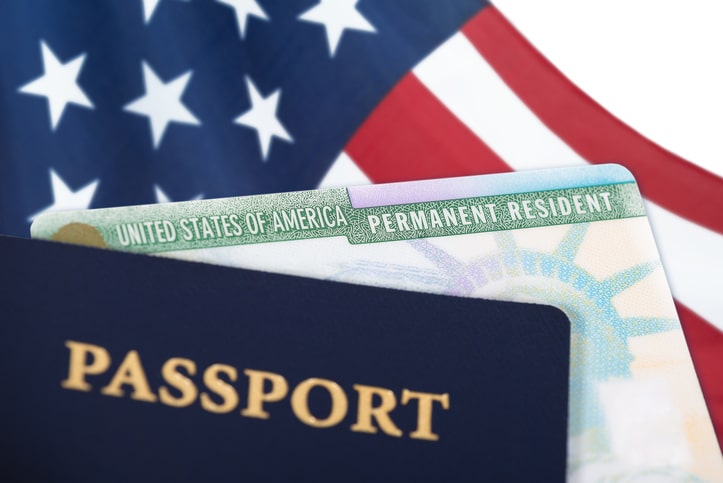
- A valid Permanent Resident Card (Green Card)
- A valid passport
- Court documents, if advised by counsel
- Contact information for an attorney, if appropriate
- Any additional travel documents required for their situation
If CBP raises questions about criminal history or immigration status, having accurate documentation readily available may help resolve issues more efficiently.
When Should You Speak With a Green Card Travel Lawyer in New York?
The best time to seek legal advice is before purchasing airline tickets—not after arriving at the airport.
You should consider consulting a green card travel lawyer New York before traveling if you:
- Have ever been arrested
- Have a criminal conviction
- Have a pending criminal case
- Previously received probation
- Accepted a plea agreement
- Have questions about whether an offense affects immigration status
- Have previously experienced problems when entering the United States
Early legal advice may identify immigration risks that can be addressed before travel begins.

Conclusion
International travel should not become an unexpected immigration problem. While most lawful permanent residents return to the United States without difficulty, criminal charges and certain criminal convictions can significantly affect the inspection process at the border.
The Supreme Court’s decision in Blanche v. Lau underscores the importance of understanding how criminal and immigration law intersect before traveling abroad. If you have questions about a pending criminal matter, a prior conviction, or concerns about reentering the United States, speaking with a knowledgeable green card travel lawyer New York before your trip can help you make informed decisions and better protect your immigration status.
Frequently Asked Questions
Can a green card holder be denied entry into the United States?
Lawful permanent residents generally have the right to return to the United States, but certain criminal or immigration issues may lead to additional inspection or removal proceedings. Every case depends on its specific facts.
Does every criminal conviction affect a green card?
No. Some convictions have little or no immigration impact, while others can create serious immigration consequences. The outcome depends on the specific offense and immigration law.
What is secondary inspection at the airport?
Secondary inspection is a more detailed review by CBP. Officers may ask additional questions, review records, or verify information before deciding whether to admit the traveler.
Should I travel while my criminal case is pending?
You should speak with both a criminal defense attorney and an immigration attorney before traveling internationally if criminal charges are still pending.
Can an old conviction still cause problems when I return to the United States?
Yes. Some convictions may continue to affect immigration status for many years. Before traveling internationally, it is wise to have an attorney review your criminal and immigration history.
Request Consultation
Memberships & Associations