
Can marijuana still create immigration problems in New York?
Yes. Even though marijuana is legal in New York under state law, federal immigration law may still treat marijuana use, possession, or sale as a serious issue.
This is one of the most common misunderstandings immigrants face today. Many people assume that if cannabis is legal in New York, immigration authorities will not care about marijuana-related conduct. Unfortunately, immigration agencies apply federal law, not New York state law.
Under federal law, marijuana is still classified as a controlled substance. Because immigration law is federal, agencies such as USCIS, ICE, and CBP may still consider marijuana-related conduct during immigration proceedings.
This means marijuana may affect:
- Green card applications
- Visa renewals
- Naturalization applications
- Border inspections
- Deportation proceedings
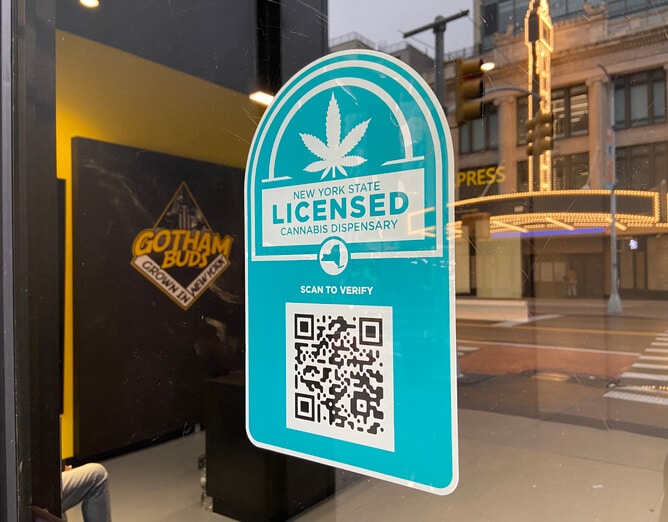
Even lawful purchases from licensed New York dispensaries may still create immigration concerns in some situations.
The consequences often depend on:
- The type of immigration status you hold
- Whether there was an arrest or a conviction
- Whether you admitted to marijuana use, possession, or sale
- The amount of marijuana involved
- Prior criminal history
Immigrants should not assume that New York’s legalization automatically protects them under immigration law.
What is Marijuana immigration law in New York?
“New York marijuana immigration law” refers to the overlap between New York cannabis laws and federal immigration law.
New York legalized recreational marijuana through the Marijuana Regulation and Taxation Act (MRTA). State criminal penalties for many marijuana-related offenses were reduced or eliminated.
But federal immigration law still treats marijuana differently.
For immigration purposes, federal agencies may examine:
- Drug-related arrests
- Criminal convictions
- Statements admitting marijuana use
- Employment involving cannabis businesses
- Controlled substance activity
This issue is especially important in cases involving the immigration consequences of criminal convictions, where criminal law and immigration law overlap.
In many situations, the immigration consequences may be more serious than the criminal penalties themselves.
For example:
- A criminal case dismissed in New York may still appear in immigration screening.
- A plea deal that seems minor in state court may still trigger immigration concerns.
- A person may create problems simply by admitting to marijuana use during an immigration interview.
This area of law is highly technical and depends heavily on the facts of each case.
Why does this matter specifically in New York?
New York’s legalization changed public attitudes about marijuana very quickly. Cannabis dispensaries operate openly, and many residents view marijuana as socially acceptable.
That environment can create dangerous assumptions for immigrants.
Many non-citizens believe:
- “It’s legal now, so it’s safe.”
- “The case was sealed, so immigration cannot see it.”
- “It was only personal use.”
- “I was never convicted.”
Unfortunately, immigration authorities may still examine the conduct itself in certain cases.
This issue is especially important in New York City because of the large immigrant population and the high number of non-citizens applying for:
- Green cards
- Citizenship
- Student visas
- Work visas
- Family-based immigration benefits
Marijuana-related questions may arise during:
- USCIS interviews
- Medical examinations
- Airport inspections
- Visa processing
- Immigration court proceedings
In some situations, even social media activity or employment connected to the cannabis industry may raise concerns.
The confusion between state legalization and federal immigration law has created a growing number of “crimmigration” issues in New York courts.
How can marijuana affect immigration status?
Marijuana may affect immigration status in several ways, depending on the person’s immigration category and case history.
Can marijuana affect a green card application?
Yes. Marijuana-related conduct may affect eligibility for lawful permanent residence.
USCIS may review:
- Arrest records
- Criminal charges
- Convictions
- Admissions of marijuana use, possession, or sale
- Evidence involving controlled substances
Even if a person was never convicted, statements made during interviews or medical exams may still create complications.
For some applicants, marijuana-related issues may trigger questions about admissibility or good moral character.
Can marijuana affect visa holders?
Yes. Temporary visa holders may face additional scrutiny because they must maintain lawful status and remain admissible under federal immigration law.
Marijuana-related concerns may arise during:
- Visa renewals
- Consular interviews
- Reentry into the United States
- Border inspections
Some travelers have been questioned about marijuana use when returning to the United States from abroad.
Can marijuana affect citizenship applications?
Possibly. Applicants for naturalization must demonstrate good moral character during the statutory review period.
Repeated marijuana-related conduct, inconsistent statements, or criminal charges may affect how USCIS evaluates the application.
The outcome depends on the facts, timing, and overall immigration history.
What are the legal consequences of marijuana-related offenses for immigrants?
The immigration consequences may range from delays to removal proceedings.
Potential consequences can include:
- Visa denial
- Green card denial
- Inadmissibility findings
- Immigration detention
- Deportation proceedings
- Delays in citizenship applications
- Problems at airports or borders
Not every marijuana-related case leads to deportation. But immigrants should never assume a marijuana offense is harmless simply because New York law changed.
In many cases, the wording of the criminal charge matters greatly.
A plea agreement that appears favorable in criminal court may still create serious immigration consequences later.
This is why criminal defense representation and immigration strategy should work together from the beginning of the case.
Early legal advice may help identify safer resolutions and avoid unnecessary immigration risks.
Does a marijuana conviction automatically cause deportation?
No. Deportation is not automatic in every marijuana case.
The impact depends on several factors, including:
- The exact offense
- Whether there was a conviction
- The amount involved
- Prior criminal history
- Immigration status
- Whether other criminal charges exist
Some immigrants may still qualify for defenses or forms of immigration relief.
However, even relatively minor marijuana offenses can create long-term immigration complications.
This is especially true when someone accepts a plea agreement without first understanding the immigration consequences.
What should immigrants do before pleading guilty to a drug offense?
Immigrants should speak with an attorney before accepting any plea deal.
Many people focus only on avoiding jail or reducing criminal penalties. But immigration consequences may continue long after the criminal case ends.
Before pleading guilty, immigrants should understand:
- Possible immigration consequences
- Whether alternative resolutions exist
- Whether diversion programs may help
- Whether dismissal strategies are available
- Whether a different plea structure may reduce immigration risk
This is particularly important for:
- Green card holders
- International students
- Visa holders
- Asylum applicants
- DACA recipients
- Undocumented immigrants
A criminal case that seems “minor” in New York court may still affect future immigration applications.
What should you do if immigration already knows about marijuana use?
You should seek legal advice as soon as possible.
Do not guess when answering immigration questions. Do not assume state legalization protects you federally.
Immigration officers may review:
- Criminal records
- Prior immigration applications
- Social media activity
- Admissions made during interviews
- Medical examination records
If you are already in removal proceedings or worried about deportation risks, speaking with a New York deportation defense lawyer as early as possible may help protect your options.
An attorney may help evaluate:
- Whether prior statements created legal issues
- Whether relief may be available, such as a potential waiver
- Whether prior convictions can be challenged
- Whether future filings carry additional risks
Early legal guidance may help avoid costly mistakes.
When should you speak with a lawyer?
You should speak with a lawyer before:
- Pleading guilty to a drug or marijuana offense
- Applying for a green card
- Applying for citizenship
- Traveling internationally
- Renewing a visa
- Answering detailed immigration questions about drug use
The overlap between criminal law and immigration law is highly technical. A criminal strategy that works in state court may still create immigration problems later.
Attorney Yifei He represents clients in New York criminal and immigration matters, including cases involving the immigration consequences of criminal charges.
For many immigrants, getting legal advice early may make a significant difference in protecting future immigration opportunities.

Conclusion
New York legalized marijuana, but the immigration law New York issues remains complicated because federal immigration law still applies to non-citizens. Marijuana use, possession, admissions, or criminal charges may affect visas, green cards, citizenship applications, or deportation proceedings, depending on the facts.
If you are facing a marijuana-related issue and have immigration concerns, it is important to speak with an attorney before making decisions that may affect your future.
FAQs
Can immigrants legally buy marijuana in New York?
New York law permits adult recreational marijuana use, but federal immigration law may still create consequences for non-citizens.
Can a green card holder be deported for marijuana?
Possibly. The outcome depends on the offense, immigration status, prior history, and other facts.
Does a dismissed marijuana case affect immigration?
Sometimes. Immigration authorities may still review arrests or underlying conduct even if a criminal case was dismissed.
Can USCIS ask about marijuana use?
Yes. Immigration officers may ask about drug use, criminal history, or controlled substance issues during interviews or medical examinations.
Is working at a cannabis dispensary risky for immigrants?
It may be. Employment involving marijuana businesses can raise immigration concerns because marijuana remains illegal federally.
Should I talk to a lawyer before accepting a plea deal?
Yes. Even minor marijuana pleas may create immigration consequences depending on the facts.
Request Consultation
Memberships & Associations