
A shoplifting charge can affect immigration status, even when the criminal case seems minor. The shoplifting immigration consequences NY residents face may include visa problems, green card issues, naturalization delays, or removal proceedings depending on the circumstances.
If you are a non-citizen charged with shoplifting or petit larceny in New York, it is important to understand both the criminal and immigration consequences before making decisions in court.
What Is Shoplifting Under New York Law?
Shoplifting is generally prosecuted as theft under New York law. In many cases, prosecutors file a charge of Petit Larceny.
Petit Larceny occurs when someone is accused of taking property belonging to another person with the intent to permanently deprive the owner of that property.
In New York, Petit Larceny is usually charged under Penal Law §155.25.
A person can be charged for allegedly taking merchandise from:
- Department stores
- Grocery stores
- Pharmacies
- Luxury retailers
- Big-box stores
Even merchandise with a relatively low value can lead to criminal charges.

Why Does a Shoplifting Charge Matter for Non-Citizens?
A shoplifting charge matters because immigration law often treats theft offenses differently than many people expect.
Criminal court consequences and immigration consequences are separate systems.
A criminal disposition that seems favorable in state court may still create immigration problems.
For example:
- A plea bargain may affect immigration status
- A conviction can trigger immigration review
- Admissions made in court can become part of an immigration record
This is why non-citizens should understand immigration risks before accepting any plea agreement.
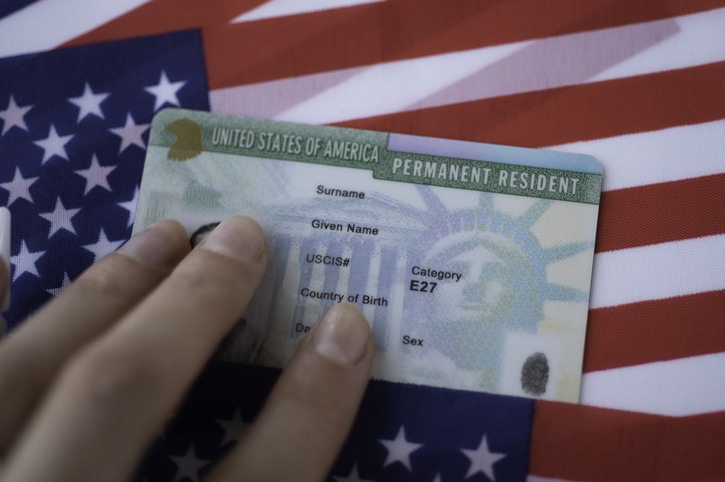
Can a Shoplifting Charge Affect a Green Card?
Yes. A shoplifting charge can affect a green card in certain situations.
Green card holders generally have stronger protections than temporary visa holders, but they are not immune from immigration consequences.
Potential issues include:
- Difficulty re-entering the United States after travel
- Increased scrutiny during immigration applications
- Questions regarding moral character
- Possible removal proceedings in serious cases
The outcome depends on factors such as:
- The exact charge
- Whether there was a conviction
- Criminal history
- Immigration history
- The sentence imposed
Not every shoplifting case results in immigration penalties, but every case should be evaluated carefully.
Can Shoplifting Lead to Deportation?
Sometimes.
A theft-related conviction may create deportation concerns depending on the specific facts of the case.
Immigration authorities often analyze:
- Whether a conviction exists
- The statutory elements of the offense
- The sentence imposed
- Prior criminal history
Some theft offenses may be treated as crimes involving moral turpitude under federal immigration law.
Crimes involving moral turpitude can affect admissibility and deportability in certain circumstances.
Because immigration law is highly fact-specific, individuals should not assume that a misdemeanor theft charge is automatically harmless.
What Is a Crime Involving Moral Turpitude?
A crime involving moral turpitude, often called a CIMT, is a category used in immigration law.
Although the definition can be complex, theft offenses are frequently analyzed under CIMT rules.
Immigration authorities may examine whether the offense involves:
- Intentional dishonesty
- Fraud
- Theft
- Conduct considered morally wrongful under immigration law
A finding that an offense qualifies as a CIMT can affect:
- Green card applications
- Visa renewals
- Naturalization
- Removal proceedings
- Admission to the United States after travel
The analysis depends on the exact statute and circumstances involved.
What Criminal Consequences May Apply for Petit Larceny in New York?
Petit Larceny is generally a Class A misdemeanor in New York.
Possible criminal consequences may include:
- Criminal conviction
- Probation
- Conditional discharge
- Community service
- Fines
- Jail exposure
The specific outcome depends on factors such as:
- Prior record
- Value of property involved
- Prosecutorial discretion
- Available defenses
Many first-time offenders may be eligible for resolutions that reduce the impact of the case.
However, immigration considerations should be evaluated before any agreement is reached.
Can a Shoplifting Conviction Affect a Visa Application?
Yes.
Temporary visa holders often face immigration scrutiny following criminal arrests or convictions.
Potential consequences may include:
- Visa denial
- Visa renewal complications
- Consular processing delays
- Increased questioning during immigration interviews
Different visa categories may be affected differently.
A theft-related conviction can become an issue when immigration authorities evaluate admissibility and eligibility for future benefits.
Can Shoplifting Affect Naturalization?
Yes.
Applicants for U.S. citizenship must demonstrate good moral character during the applicable statutory period.
A theft conviction may raise questions about whether an applicant meets that requirement.
Immigration officers reviewing a naturalization application may examine:
- Criminal history
- Court records
- Sentencing documents
- Evidence of rehabilitation
A single incident does not automatically prevent citizenship.
However, the timing and disposition of the criminal case can significantly affect the analysis.
Can You Travel Outside the United States After a Shoplifting Conviction?
Travel may become more complicated after certain theft-related convictions.
When returning to the United States, immigration authorities can review:
- Criminal records
- Court dispositions
- Immigration history
Even lawful permanent residents may face additional questioning at ports of entry.
Anyone with a theft-related conviction should seek legal advice before international travel.
What Should Someone Do After Being Charged With Shoplifting?
The most important step is to avoid making assumptions about the consequences.
A person charged with shoplifting should:
- Obtain copies of all charging documents
- Attend all court appearances
- Avoid discussing the case publicly
- Consult a criminal defense attorney
- Consult an immigration attorney if they are not a U.S. citizen
When criminal and immigration issues overlap, coordinated legal representation can be critical.
A non-citizen should never accept a plea agreement without first understanding the immigration consequences.

Why Is Early Legal Advice So Important?
Early legal advice can create more options.
Once a conviction is entered, some immigration consequences may become difficult or impossible to reverse.
An attorney may be able to:
- Identify immigration risks
- Negotiate alternative resolutions
- Review plea options
- Coordinate criminal and immigration strategies
A criminal case should be handled with immigration consequences in mind from the first court appearance.
When Should You Speak With a Lawyer?
You should speak with a lawyer as soon as possible after an arrest, summons, or criminal charge.
Immediate legal guidance may help protect:
- Immigration status
- Green card eligibility
- Visa eligibility
- Future citizenship applications
- Ability to remain in the United States
Delaying legal advice can limit available options.
Conclusion
The shoplifting immigration consequences NY non-citizens face can extend far beyond fines or criminal penalties. A shoplifting or petit larceny charge may affect green cards, visas, citizenship applications, international travel, and even removal proceedings in some situations.
Every case is different, and immigration consequences often depend on details that may not seem important in criminal court. If you are facing a shoplifting charge in New York and are not a U.S. citizen, speaking with an attorney who understands both criminal defense and immigration law can help protect your future.
FAQ:
Can a first-time shoplifting offense affect immigration status?
Yes. Even a first offense can create immigration concerns depending on the charge, disposition, and immigration status.
Will a shoplifting arrest alone cause deportation?
Not necessarily. Immigration consequences often depend on the final outcome of the criminal case.
Can a green card holder be deported for shoplifting?
In some situations, theft-related convictions may create deportation issues. The analysis depends on the specific offense and immigration history.
Can I become a U.S. citizen after a shoplifting conviction?
Possibly. Citizenship eligibility depends on many factors, including the nature of the offense and evidence of good moral character.
Should I travel internationally after a theft conviction?
You should speak with an immigration attorney before traveling because re-entry issues may arise.
Can an attorney help reduce immigration consequences?
Yes. Criminal defense strategies and plea negotiations can sometimes affect immigration outcomes.
Request Consultation
Memberships & Associations