
Returning to the United States can become frightening very quickly if an immigration officer sends you to secondary inspection, questions you about your criminal history, takes your passport or green card, or tells you that you cannot leave the airport.
One of the first things to understand is that international travelers are usually inspected by U.S. Customs and Border Protection (CBP), not ICE, when they arrive at a U.S. port of entry. Immigration and Customs Enforcement (ICE) may become involved later, particularly if a traveler is transferred into immigration detention or has an outstanding removal order.
For lawful permanent residents, visa holders, and other non-citizens, what happens next depends heavily on immigration status, travel history, criminal history, prior removal proceedings, and the reason officers believe there may be an admissibility problem.
This article provides general legal information, not individualized legal advice. A traveler facing Airport detention by ICE New York or possible removal should obtain advice based on the specific facts of the case.
Is It ICE or CBP That Stops You When You Return to the United States?
CBP will ordinarily inspect a traveler returning from another country, while ICE generally handles immigration enforcement and detention outside the initial port-of-entry inspection process.
Understanding which agency you are dealing with matters because the legal rules can be different.
CBP officers inspect travelers arriving at U.S. ports of entry. They review passports, visas, green cards, travel history, immigration records, and other information to determine whether a person may enter the country.
ICE has a broader immigration-enforcement role. ICE may arrest individuals in certain circumstances, execute immigration warrants, manage immigration detention, and pursue removal cases.
The Transportation Security Administration, or TSA, serves a different function. TSA screens passengers and baggage for transportation security. TSA officers do not ordinarily decide whether a non-citizen is admissible to the United States.
For a person returning from international travel, the practical sequence may be:
- CBP conducts primary inspection.
- CBP refers the traveler to secondary inspection.
- CBP investigates a possible immigration, criminal, or admissibility issue.
- Depending on the circumstances, the traveler may be admitted, paroled, placed into removal proceedings, subjected to another immigration process, or transferred to ICE custody.
What Should You Do Immediately If You Are Stopped at the Airport?
If immigration officers stop or detain you at the airport, remain calm, do not lie, avoid signing documents you do not understand, and ask whether you may contact an immigration lawyer.
A stressful airport encounter can lead people to guess, argue, or sign documents simply to get out of the inspection area. Those decisions can create serious immigration consequences.
Try to follow these steps:
- Stay calm and do not physically resist. Arguing or interfering with officers is unlikely to help and can make the situation worse.
- Identify the agency. Ask whether you are speaking with CBP, ICE, or another law-enforcement agency.
- Provide required identity and travel documents. This may include your passport, visa, or permanent resident card.
- Do not lie. False statements about criminal history, immigration history, travel, employment, or prior applications can create additional legal problems.
- Do not guess. If you genuinely do not remember something, say so rather than inventing an answer.
- Do not sign unfamiliar immigration paperwork without understanding it. Ask what the document does and request an opportunity to seek legal advice when possible.
- Ask whether you may contact your lawyer. Whether an attorney may participate directly in an inspection is a separate question, but asking to contact counsel can still be important.
If you know before traveling that you have a criminal record, an old removal order, an extended absence from the United States, or another immigration complication, legal review before departure is usually safer than trying to resolve the issue at the airport.
What Is CBP Secondary Inspection?
Secondary inspection is an additional CBP screening process used when officers need more time or information before deciding whether a traveler may enter the United States.
Being sent to secondary inspection does not automatically mean you will be arrested or removed.
CBP may refer a traveler to secondary inspection because officers need to verify identity, review immigration records, examine documents, investigate criminal-history information, resolve a database alert, or determine whether an admissibility issue exists.
How is secondary inspection different from detention?
Secondary inspection can involve significant restrictions on movement, but it is not necessarily the same as being placed into long-term immigration detention.
A traveler may remain in a controlled airport area while CBP investigates. In more serious cases, however, the encounter can progress into formal detention or transfer to ICE custody.
The distinction matters because different legal rules can apply depending on whether a person is simply being inspected, is considered an applicant for admission, has been placed into removal proceedings, or is detained under a particular immigration statute.
Do You Have a Right to a Lawyer During CBP Secondary Inspection?
A traveler may ask to contact a lawyer, but applicants for admission generally do not have an unrestricted right to have an attorney present during CBP primary or secondary inspection.
This is an area where online advice is often too broad.
Federal regulations contain an exception to the general right to representation for people undergoing primary or secondary inspection at a port of entry. That means a traveler should not assume CBP must stop questioning until a private immigration attorney arrives.
However, legal representation can become critically important once a case moves beyond ordinary inspection, particularly when CBP is considering removal proceedings, when a traveler is transferred to ICE, or when criminal and immigration issues overlap.
A person facing removal proceedings generally has the right to obtain immigration counsel at the person’s own expense. The government ordinarily does not appoint free immigration counsel in the same way that criminal courts may appoint defense counsel.
Can CBP Search Your Phone or Laptop at the Airport?
CBP has broad border-search authority and may inspect electronic devices when travelers enter the United States.
Border searches operate under legal rules that differ from ordinary police searches inside the country.
CBP may inspect phones, laptops, tablets, and other electronic devices under its border-search authority. The consequences of refusing to provide access can vary depending on citizenship, immigration status, the circumstances of the inspection, and the type of information officers are seeking.
A non-citizen should be especially cautious about making categorical assumptions such as “CBP cannot search my phone without a warrant” or “I must always provide every password immediately.” Electronic-device searches involve developing legal issues, and the practical consequences can differ by status.
Travelers who carry sensitive legal, medical, journalistic, business, or confidential client information should consider obtaining individualized legal advice before international travel.
Can a Green Card Holder Be Detained When Returning to the United States?
Yes, a lawful permanent resident can be questioned or detained at the border even with a valid green card, although returning permanent residents have important statutory protections.
As a general rule, lawful permanent residents returning from temporary travel are not treated as applicants for admission unless one of the statutory exceptions applies.
An LPR may face more serious scrutiny when circumstances include:
- an absence from the United States exceeding 180 continuous days;
- abandonment or relinquishment of permanent resident status;
- certain unlawful activity after leaving the United States;
- specified criminal conduct;
- departure while removal or extradition proceedings were pending; or
- an attempt to enter without inspection or through another circumstance covered by the statute.
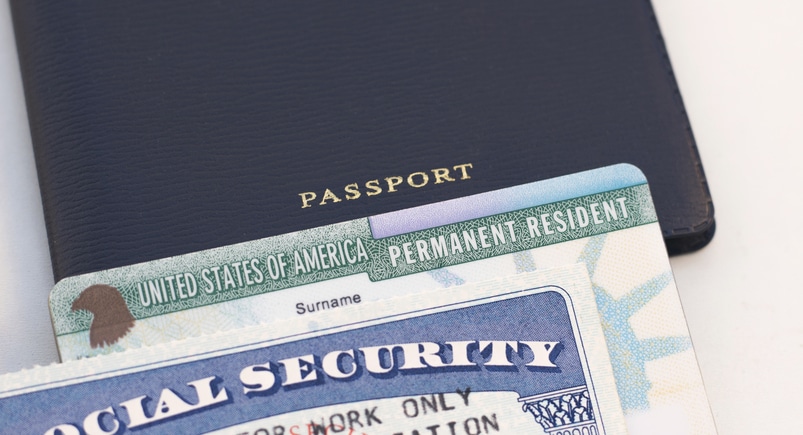
Can CBP simply take away permanent resident status?
A CBP officer’s actions at an airport do not automatically erase lawful permanent resident status in every case.
Travelers should be particularly careful if they are asked to sign Form I-407, which is used to record abandonment of lawful permanent resident status. Signing a document that voluntarily relinquishes residence can have major consequences.
If you do not understand why officers are asking you to sign a form, ask what it means and request legal advice before voluntarily signing when possible.
Can a Criminal Record Cause Airport Detention?
Yes, a criminal record can trigger additional questioning, secondary inspection, detention, or immigration proceedings, depending on the offense and the traveler’s immigration status.
Immigration law does not treat every arrest, charge, dismissal, plea, or conviction in the same way.
Potentially serious categories include:
Crimes involving moral turpitude
Some offenses classified as crimes involving moral turpitude may trigger inadmissibility consequences. Whether a particular New York offense qualifies depends on the statute, the record of conviction, and applicable immigration law.
Controlled-substance offenses
Drug-related cases can create especially serious immigration problems. Even relatively old cases can remain relevant when a non-citizen returns from travel.
Multiple convictions
Certain combinations of convictions can independently create immigration consequences based on the sentences imposed.
Pending criminal charges
A pending charge does not automatically have the same immigration effect as a conviction. However, it may still lead to questioning, record review, or complications at inspection.
This is why criminal-defense advice and immigration advice should be coordinated. A plea that appears favorable in New York criminal court can create severe immigration consequences if those consequences are not considered in advance.
Can a Visa Holder Be Detained Even With a Valid Visa?
Yes, having a valid visa does not guarantee admission because CBP makes the final admissibility determination when a traveler seeks entry.
A visa generally allows a foreign national to travel to a U.S. port of entry and request admission. It does not guarantee that CBP must admit the traveler.
Possible issues include:
- suspected visa misuse;
- unauthorized employment;
- inconsistent statements about the purpose of travel;
- criminal history;
- prior overstays;
- fraud or misrepresentation concerns;
- suspected immigrant intent where inconsistent with the visa category; and
- other statutory grounds of inadmissibility.
Visa holders should be particularly careful about inaccurate statements. A perceived inconsistency can become more serious if CBP believes it amounts to fraud or willful misrepresentation.
What Happens If You Have an Old Removal or Deportation Order?
An existing removal order can create a substantial risk of detention or enforcement when a non-citizen travels internationally and attempts to return.
Some people do not realize that an old immigration case ended with a removal order, particularly if they missed a hearing, moved without updating their address, or relied on incorrect advice years earlier.
International travel can bring the issue to the government’s attention.
Before leaving the United States, a person with any uncertainty about an old immigration case should determine:
- whether an immigration judge entered a removal order;
- whether an appeal was filed;
- whether the order remains legally effective;
- whether a motion to reopen may be available; and
- whether international travel could trigger detention or execution of the order.
A lawyer may need to review EOIR records, immigration files, court documents, and prior notices before advising whether travel is safe.
Should You Sign Papers Presented by CBP or ICE?
You should not voluntarily sign an immigration document you do not understand, particularly if it may waive rights, abandon status, or accelerate removal.
Airport encounters often happen when travelers are exhausted, anxious, and eager to leave. That is precisely when the meaning of paperwork matters most.
Depending on the situation, documents may concern:
- abandonment of permanent residence;
- withdrawal of an application for admission;
- removal procedures;
- statements taken during inspection;
- waivers or acknowledgments; or
- other immigration consequences.
Ask what the document is, what happens if you sign it, and whether you may speak with counsel before signing.
Do not provide false information, alter documents, or sign something you know contains inaccurate information.
What Happens If CBP Believes You Are Inadmissible?
If CBP believes a non-citizen may be inadmissible, the next step can range from further inspection to parole, removal proceedings, expedited removal, or detention.
The procedure depends heavily on immigration status and the alleged ground of inadmissibility.
Removal proceedings
Some individuals may receive a Notice to Appear and have the admissibility issue decided in immigration court.
Expedited removal
Certain arriving non-citizens may be subject to expedited removal under federal immigration law, particularly in cases involving specified documentation or fraud-related grounds.
Expedited removal is significant because it can occur without the ordinary full immigration-court process available in standard removal proceedings.
Fear of returning to another country
A person who genuinely fears persecution or torture if returned should clearly communicate that fear to immigration authorities. Special screening procedures may apply.
Because the consequences can be immediate, anyone facing possible removal from an airport should seek qualified immigration counsel as soon as possible.
What Happens If CBP Transfers You to ICE Custody?
If CBP transfers a traveler to ICE, the person may be moved from the airport into immigration detention while the government determines the next procedural step.
Family members may initially have difficulty locating the person because custody databases are not always updated immediately.
ICE maintains an Online Detainee Locator System that can help locate individuals in ICE custody and certain people who have remained in CBP custody: https://locator.ice.gov/odls/
Families should gather the following information as quickly as possible:
- full legal name;
- date of birth;
- country of birth;
- A-number, if known;
- passport number;
- green card or visa copy;
- airline and flight number;
- arrival airport and terminal;
- date and approximate time of detention;
- criminal court documents;
- immigration court paperwork; and
- copies of any documents received from CBP or ICE.
Having this information available can help an attorney identify the basis for detention and evaluate possible relief.
Can You Get a Bond Hearing After Airport Detention?
Not every person detained after arriving at a U.S. airport is automatically eligible for an ordinary immigration bond hearing.
Bond eligibility depends on the legal authority under which the government is detaining the person.
This distinction is especially important for certain “arriving aliens” detained under the inspection provisions of federal immigration law. Their release options may differ significantly from those of individuals detained under other immigration statutes.
Depending on the circumstances, possible mechanisms may involve immigration-court bond jurisdiction, DHS parole authority, or other forms of release such as a petition for a writ of habeas corpus.
A lawyer should first determine why the person is being detained before advising the family to file a bond request.
What Should Your Family Do If You Do Not Come Out of Arrivals?
If a traveler does not emerge from the airport and the family suspects immigration detention, the family should gather identifying information and contact an immigration attorney rather than repeatedly guessing where the person was taken.
Start by collecting:
- passport and green card copies;
- the person’s A-number;
- flight and terminal information;
- exact legal name and date of birth;
- recent immigration paperwork;
- criminal case dispositions;
- removal-order paperwork, if any; and
- information about previous immigration applications.
The family can also check ICE’s detainee locator, although recently detained individuals may not appear immediately.
When speaking with counsel, explain whether the traveler has a criminal history, prior removal case, prior deportation, long absence from the United States, pending immigration application, or previous problems with CBP.
What Should You Do Before International Travel If You Have Immigration Problems?
If you have a criminal or complicated immigration history, the safest time to analyze reentry risk is before leaving the United States.
Pre-travel legal review can be especially important for:
- lawful permanent residents with convictions;
- people with pending criminal charges;
- green card holders who have spent long periods abroad;
- individuals who have received immigration court notices;
- people who may have old removal orders;
- travelers who previously signed immigration documents at the border; and
- visa holders with past overstays or status violations.
For lawful permanent residents, reviewing whether any statutory applicant-for-admission exception may apply can help identify risk before the traveler is standing in secondary inspection.
The Law Office of Yifei He PLLC advises clients on matters where New York criminal law and federal immigration law intersect, including the consequences of criminal cases for international travel and reentry.
When Should You Contact a New York Crimmigration Lawyer?
You should contact a crimmigration lawyer promptly when airport detention involves both immigration status and a criminal record, pending criminal charge, old conviction, or removal history.
These cases can involve several legal systems at once.
A New York criminal disposition may determine whether federal immigration authorities allege inadmissibility. An immigration classification may affect whether the traveler can request a bond hearing. A prior removal case may determine whether CBP processes the traveler as a new applicant for admission or transfers the person for enforcement.
The Law Office of Yifei He PLLC can evaluate these overlapping issues and determine what legal options may be available based on the specific facts.
This article is intended for general educational purposes. It does not create an attorney-client relationship and should not be treated as a substitute for legal advice about an individual case.

Conclusion: What Should You Remember About Airport Immigration Detention?
If you are stopped while returning to the United States, the most important questions are who has stopped you, what your immigration status is, and whether you are undergoing inspection, facing removal proceedings, or being transferred into detention.
A green card or valid visa does not prevent CBP from asking questions or investigating admissibility. At the same time, non-citizens may have significant legal protections that depend on their status and circumstances.
Remain calm, do not lie, do not voluntarily sign documents you do not understand, and seek qualified legal help when the encounter involves criminal history, prior immigration violations, a removal order, prolonged detention, or threatened removal.
For people navigating both New York criminal law and federal immigration consequences, careful crimmigration analysis can be especially important before and after international travel.
FAQ: What Else Should Travelers Know About Airport Detention?
Can CBP keep my green card during secondary inspection?
CBP may temporarily retain immigration documents while officers investigate a person’s status or admissibility. If officers tell you that your permanent resident status is in question, ask what process is being used and avoid voluntarily signing an abandonment document you do not understand.
Can I be detained because of a criminal case that was dismissed?
A dismissed case does not automatically create the same immigration consequences as a conviction, but the arrest or underlying record may still prompt questions or additional review. The immigration effect depends on what happened in the criminal case and the specific immigration provision involved.
Can CBP see sealed New York criminal records?
Travelers should not assume that a New York sealing rule makes a criminal matter invisible to federal immigration authorities. Federal agencies may possess records from arrests, fingerprints, prior immigration applications, court databases, or earlier background checks. Obtain the certified disposition and legal advice rather than assuming a sealed case cannot arise during inspection.
Can airport detention affect a future citizenship application?
Potentially. Statements made to immigration officers, findings about travel or residence, criminal-history issues, and allegations of fraud or abandonment may later become relevant during naturalization review. Whether airport detention itself affects citizenship depends on why the detention occurred and what findings were made.
Why can it take time to find someone in ICE custody?
A detainee may initially remain in CBP custody, be moved between facilities, or not yet appear in ICE’s locator system. Families should continue gathering the person’s A-number and other identifying information while contacting qualified immigration counsel.
Does every person detained at an airport get an immigration bond hearing?
No. Bond rights depend on the statute under which the government is detaining the person and the person’s immigration classification. Certain arriving non-citizens may not have access to the same immigration-court bond process available in other detention cases.
Request Consultation
Memberships & Associations